In this auspicious occasion, we are delighted to delve into the intriguing topic related to maps washington dc metro. Let’s weave interesting information and offer fresh perspectives to the readers.
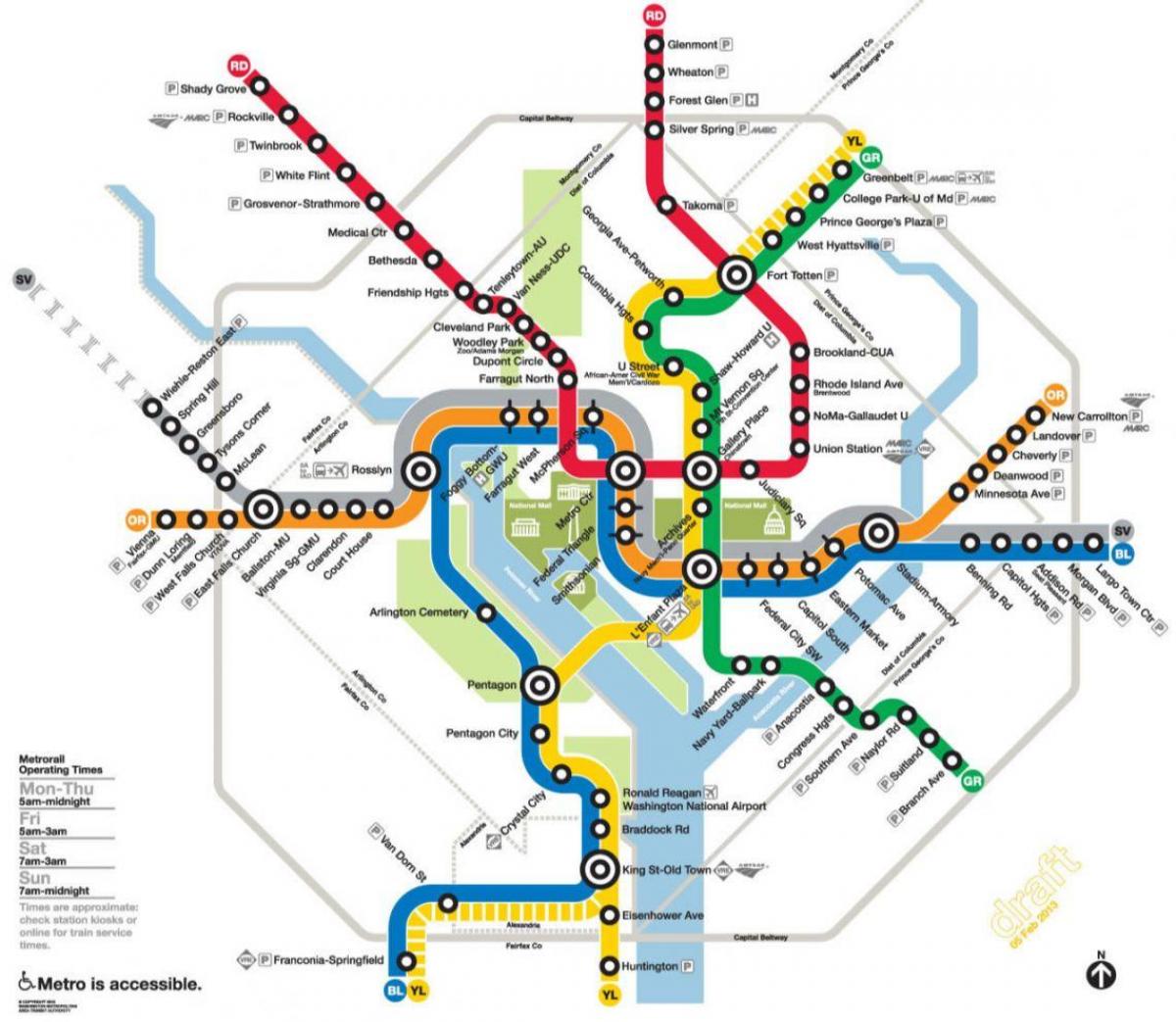
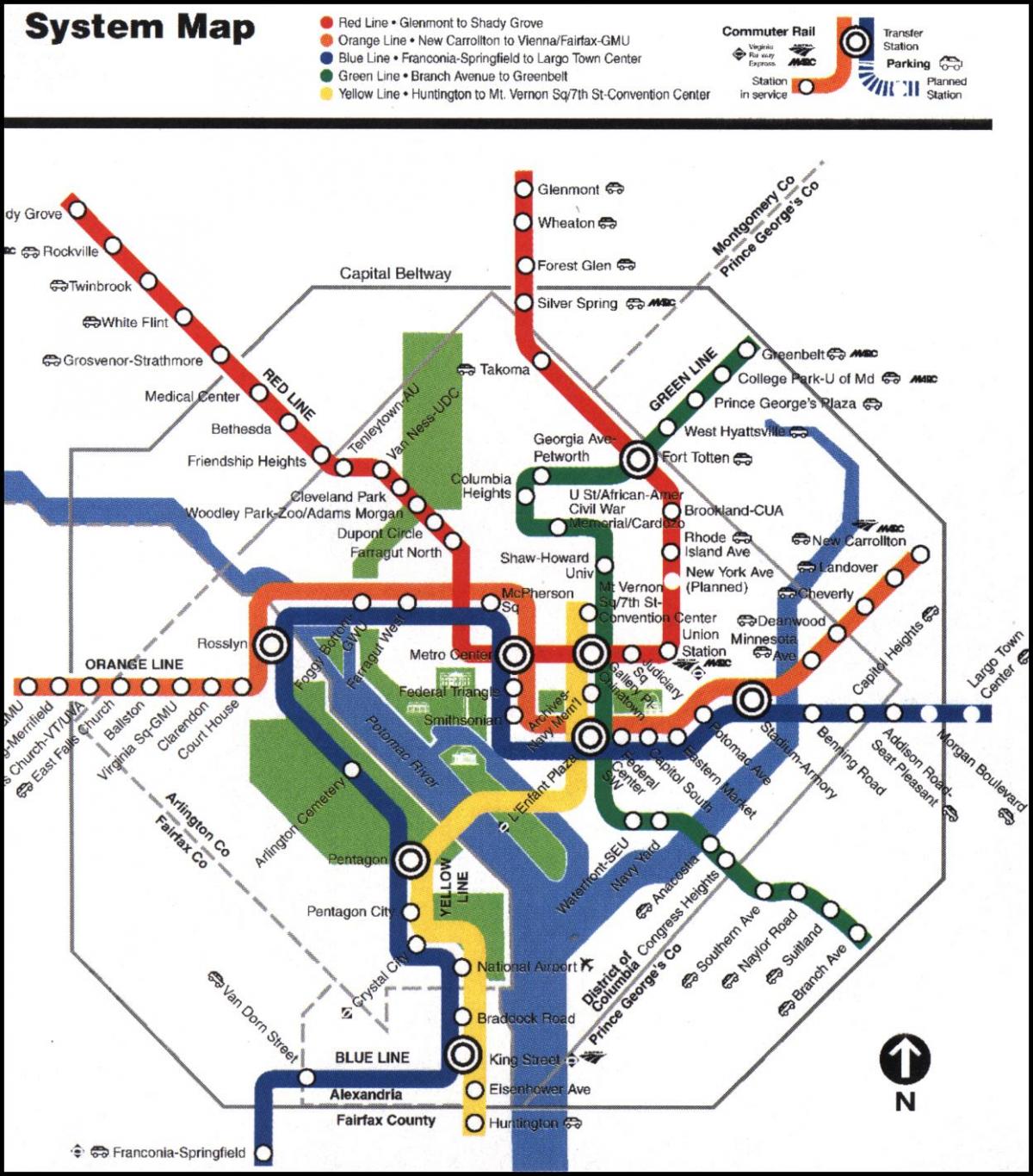
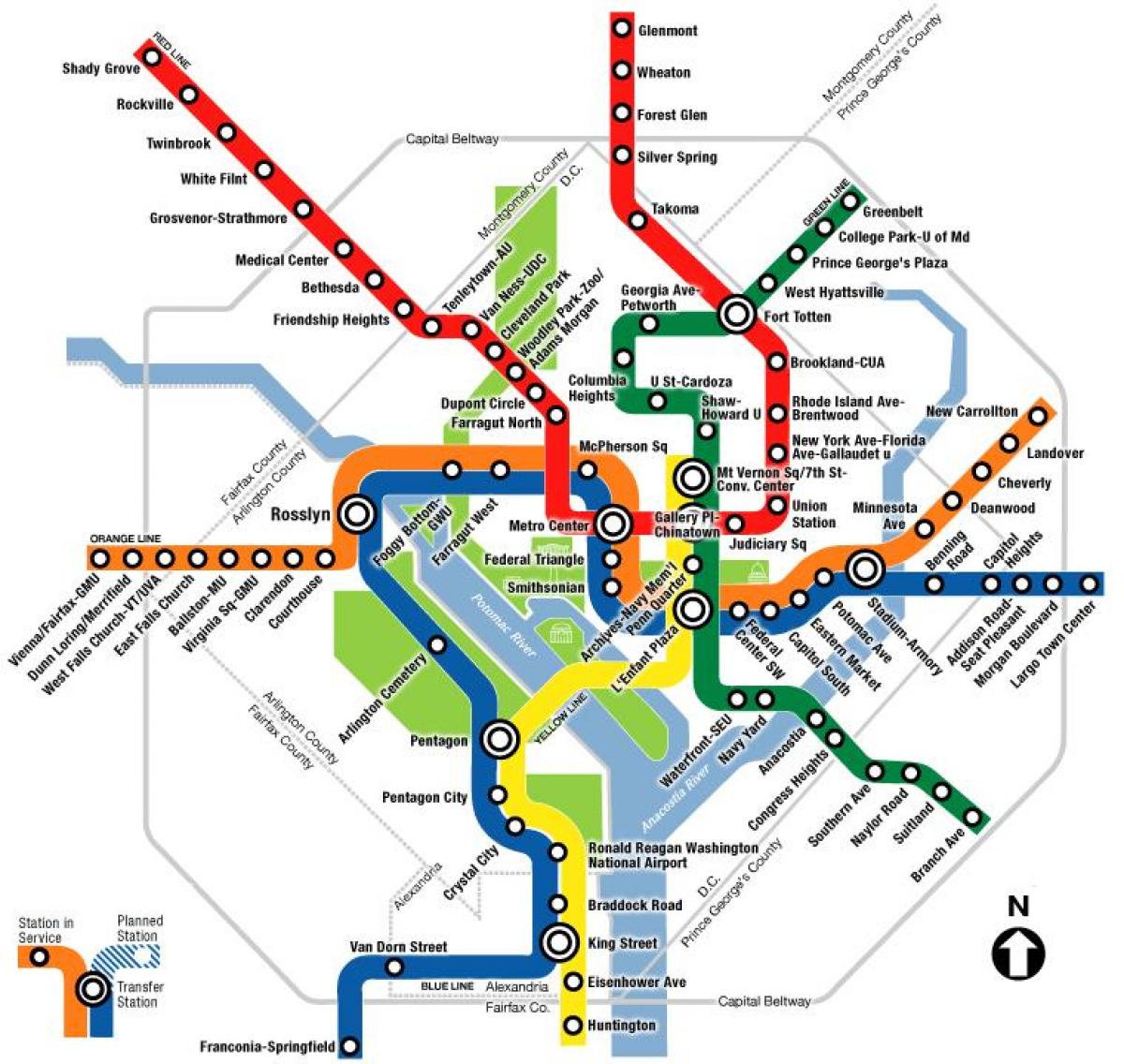
The Washington D.C. Metro, formally known as the Washington Metropolitan Area Transit Authority (WMATA), is a vital artery for the nation’s capital and its surrounding region. This extensive rapid transit system serves millions of commuters, tourists, and residents daily, connecting the bustling city center with its suburbs and beyond. Understanding the intricacies of the Metro system is crucial for navigating the city efficiently and effectively.
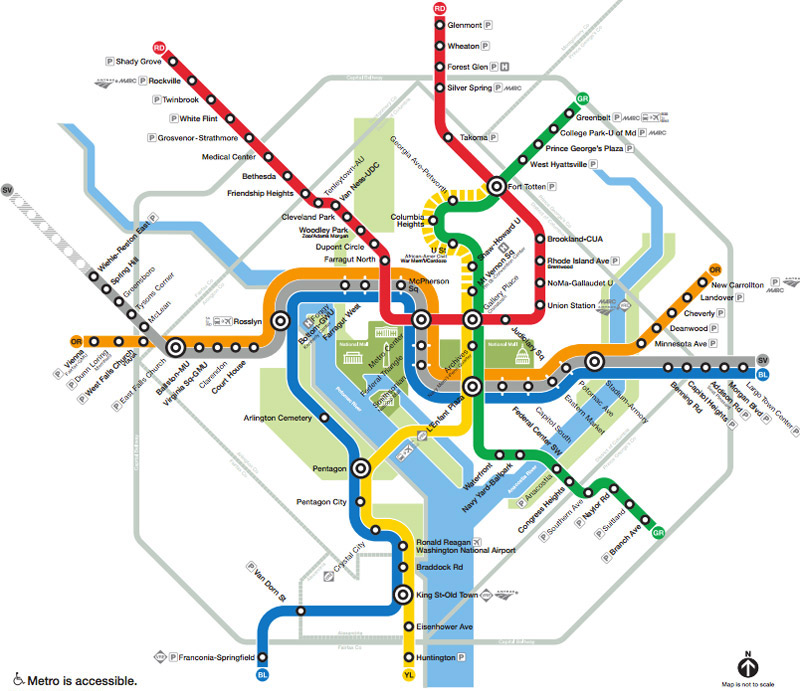
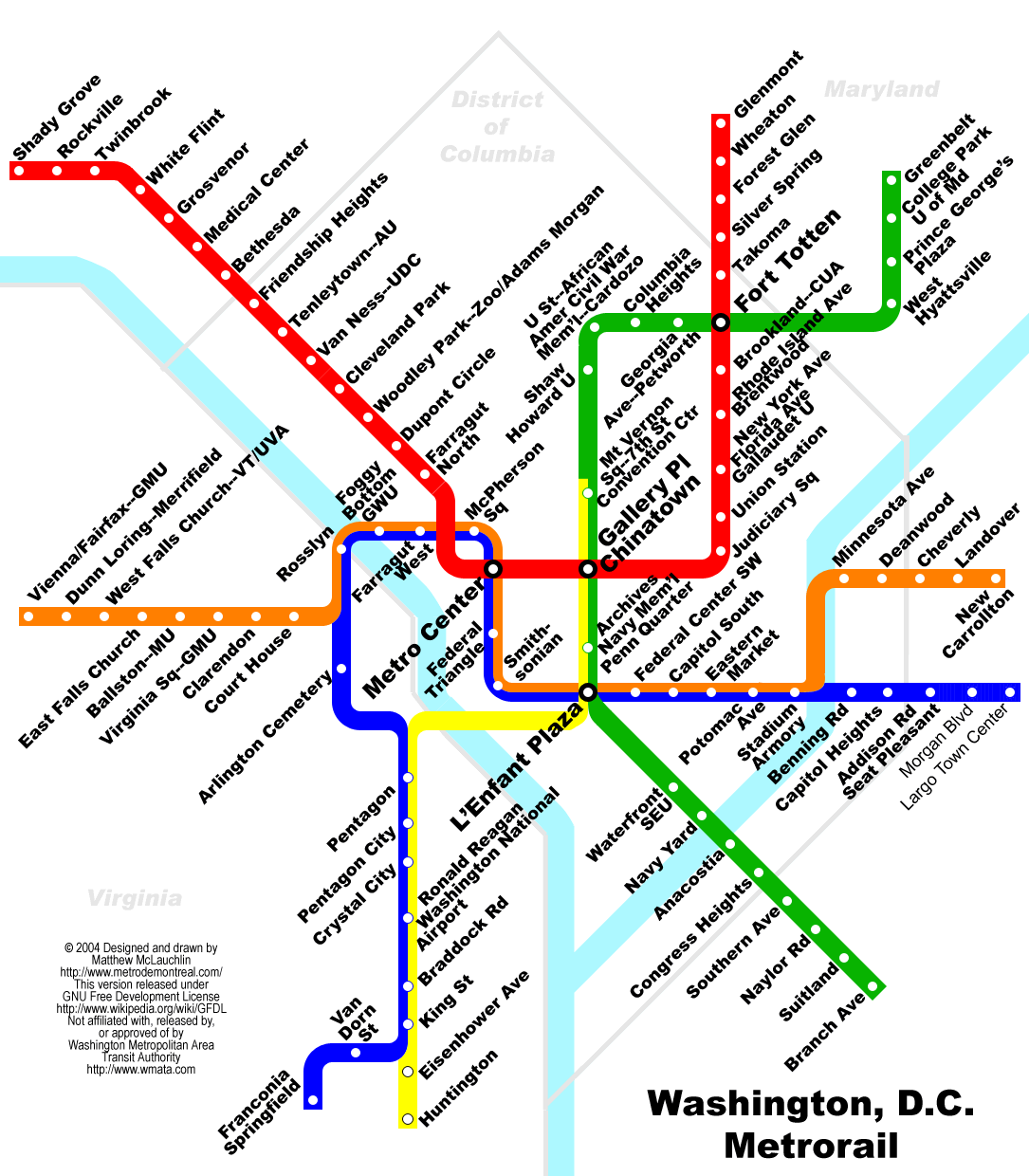
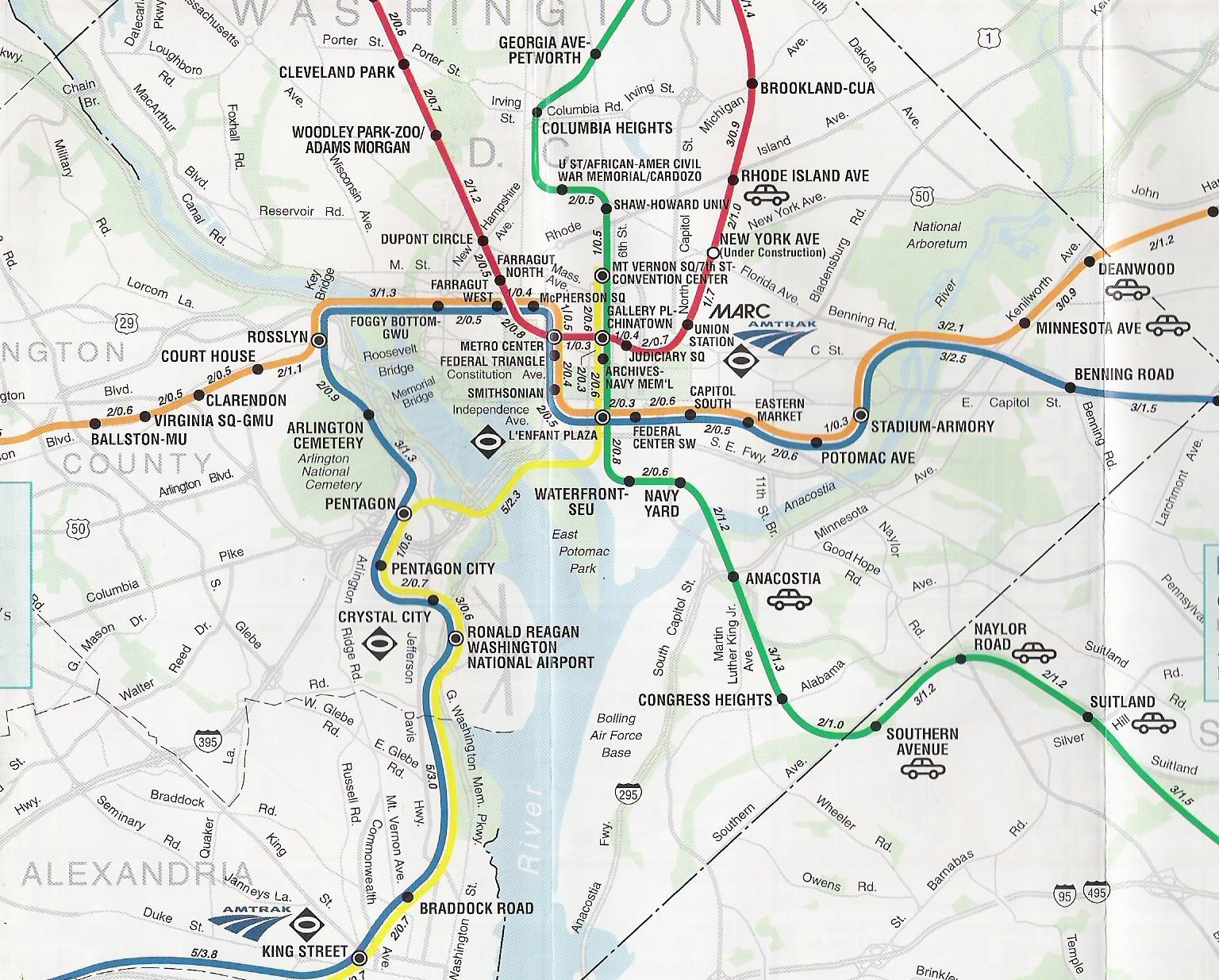
Each line boasts a network of stations, each serving specific neighborhoods and landmarks. The system offers over 90 stations, allowing riders to access diverse locations within the metropolitan area.

Understanding the layout of the Metro system is key to seamless travel. Several resources can assist in planning trips:
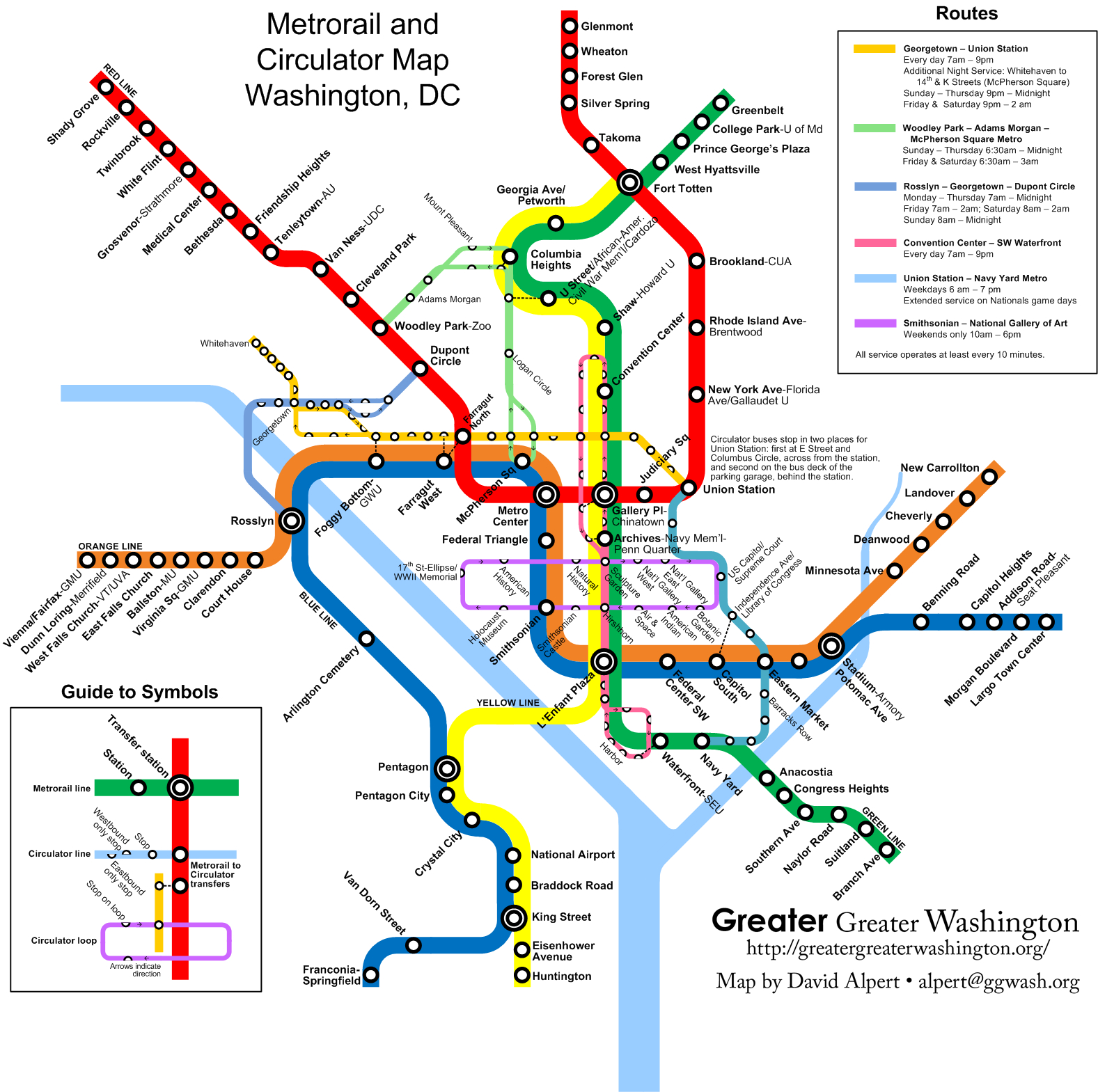
The Washington D.C. Metro operates on a fare-based system. The cost of a trip depends on the distance traveled.
The Washington D.C. Metro prioritizes the safety and security of its riders. The system employs security personnel, surveillance cameras, and emergency protocols to ensure a safe environment. Riders are encouraged to report any suspicious activity or safety concerns to Metro personnel.
The Washington D.C. Metro is committed to providing accessible transportation for all riders. The system features elevators, ramps, and designated spaces for individuals with disabilities.

A: The Metro operates from approximately 5:00 AM to midnight, with variations depending on the day of the week and specific lines.
A: SmartTrip cards can be purchased at station vending machines, retail outlets, and online.
A: Yes, the Metro is committed to providing accessible transportation. Elevators, ramps, and designated spaces for individuals with disabilities are available at most stations.
A: Yes, restrooms are generally available at most stations, though their availability may vary depending on the station’s size and location.
A: Be aware of your surroundings, avoid carrying excessive cash or valuables, and report any suspicious activity to Metro personnel.
The Washington D.C. Metro is an integral part of the capital’s transportation system, offering a reliable and efficient means of navigating the city and its surrounding region. Understanding the system’s layout, fare structure, and safety protocols is essential for a smooth and enjoyable travel experience. By embracing the Metro as a preferred mode of transportation, residents and visitors alike can contribute to a more sustainable and thriving metropolitan area.
Thus, we hope this article has provided valuable insights into maps washington dc metro. We appreciate your attention to our article. See you in our next article!
Your email address will not be published.
